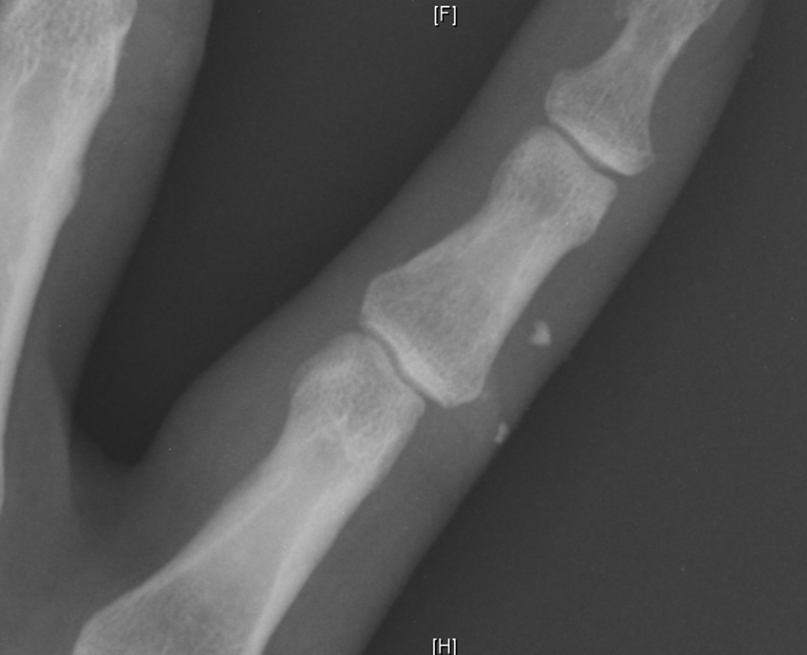
Soft Tissue Case 3 ED Management
Wound Foreign Body
The decision to remove a WFB or leave it in situ should be made on a case-by-case basis.
Factors to consider are:
-Size
-Location
-Material
-Infection risk/contamination
-Associated symptoms
-Likelihood of future complications
If a WFB is small, in a harmless location, deep, asymptomatic, and an inert material (i.e. glass, metal), then it may be more damaging to attempt removal than to leave it in place. A WFB that is causing symptoms, soiled, in a location likely to cause future problems (i.e. sole of foot or tip of the elbow), or a reactive material (i.e. wood) is more likely to require removal.Proper wound irrigation is particularly helpful for removing small WFBs. Removal procedures can be very challenging and should be optimized by proper positioning, lighting, equipment, and local anesthesia. Set a time limit in advance to avoid prolonged frustrating futile situations and tell the patient. Probe wounds but do not blindly grasp.
After the procedure, consider if the area needs splinting or padding, antibiotics, repeat imaging if multiple FBs, and if the wound can now be closed.
Not all WFBs can be removed by irrigation or exploration in the ED. As long as the diagnosis has been made, removal is often not urgent and can occur upon referral when not feasible in the ED. In these cases, the area should be padded or splinted and the patient should be referred to the appropriate consultant for removal. Consider antibiotics for retained WFBs. Be sure to inform patients when a WFB is left in situ so that they know to seek care if a complication develops.Document these considerations and inform patients that it is impossible to diagnose and remove every WFB. Educate them about the signs and symptoms of retained FBs and what to do if symptoms develop.